

The Reformed Theological College was born out of a bold vision. In 1954, the Synod of the Reformed Churches of Australia resolved to establish a college that would hold unswervingly to the authority of Scripture and pass on the riches of Reformed theology to the next generation of gospel workers.
The timing was significant. Post-war Australia was receiving waves of immigrants, many of them Dutch Christians who longed for Reformed churches where God’s Word was truly honoured. Within just a few years of those first congregations being planted, their leaders were already asking a bigger question: where would the next generation of ministers come from? So urgently was this need felt that they moved to establish a college almost before many Reformed Church congregations were properly established
From the beginning, the pioneers seeking to establish the college were adamant that it should not serve only a single denomination or people from a specific cultural background. They therefore worked hard to build links with Reformed Christians in the wider Australian church scene. So, it was decided that the college would offer its classes in English and that it would be confessionally Reformed but interdenominational in character. It is, indeed, still the case that RTC maintains official links with several Reformed denominations and congregations.
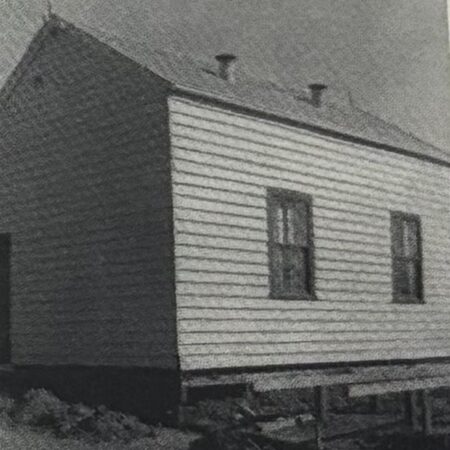
A significant result of this outreach to the wider Reformed community was the early interest and support shown by the Reformed Presbyterian Church of Australia. So, it came to be that the college’s inaugural Principal was Rev Alexander Barkley, a godly Irishman who was the minister of the Geelong Reformed Presbyterian Church. In April 1955, classes began in the Sunday School room of his church, with Barkley’s personal library doubling as the college library. The setup was so modest that when a visiting Dutch minister, Dr Klaas Runia, came to inspect the new college, he asked to be shown around, not realising he had already seen everything there was to see. To his great credit, he later accepted a call to become the college’s third full-time lecturer.
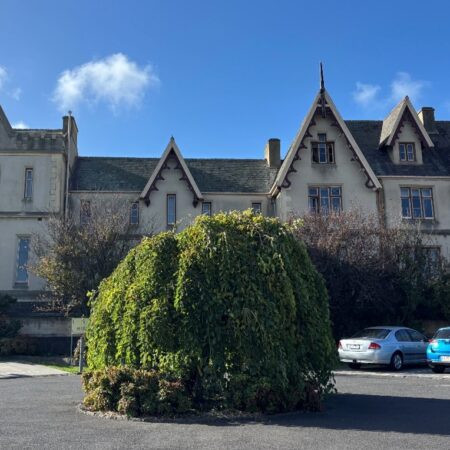
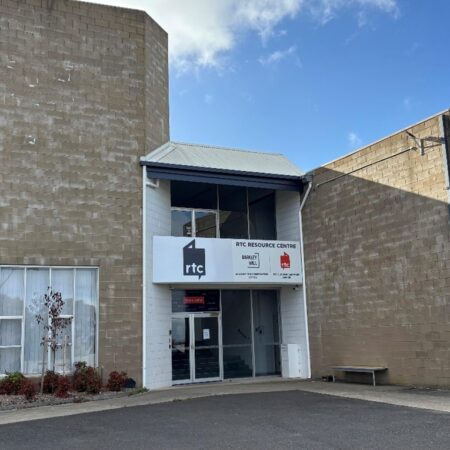
From those tiny beginnings, the college grew. RTC eventually purchased the only remaining wing of the original Geelong Grammar School, a striking building dating from 1857, which served the college well for almost 40 years. A later move, in 2000, took the college to another former Geelong Grammar site in Waurn Ponds, near Deakin University, which also allowed for the development of Barkley Hall, a student residence capable of accommodating up to 70 students. For more than 20 years Barkley Hall served as a home-from-home for many Deakin and RTC students and provided countless opportunities for the sharing of the gospel.
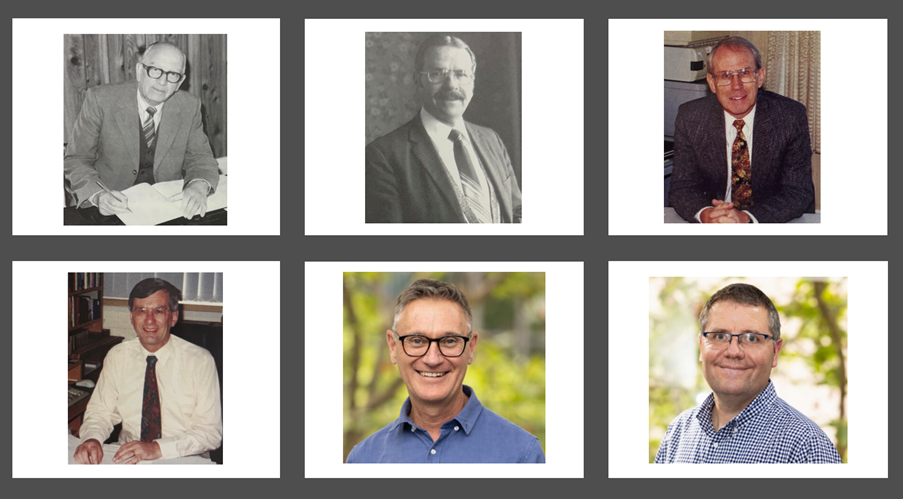
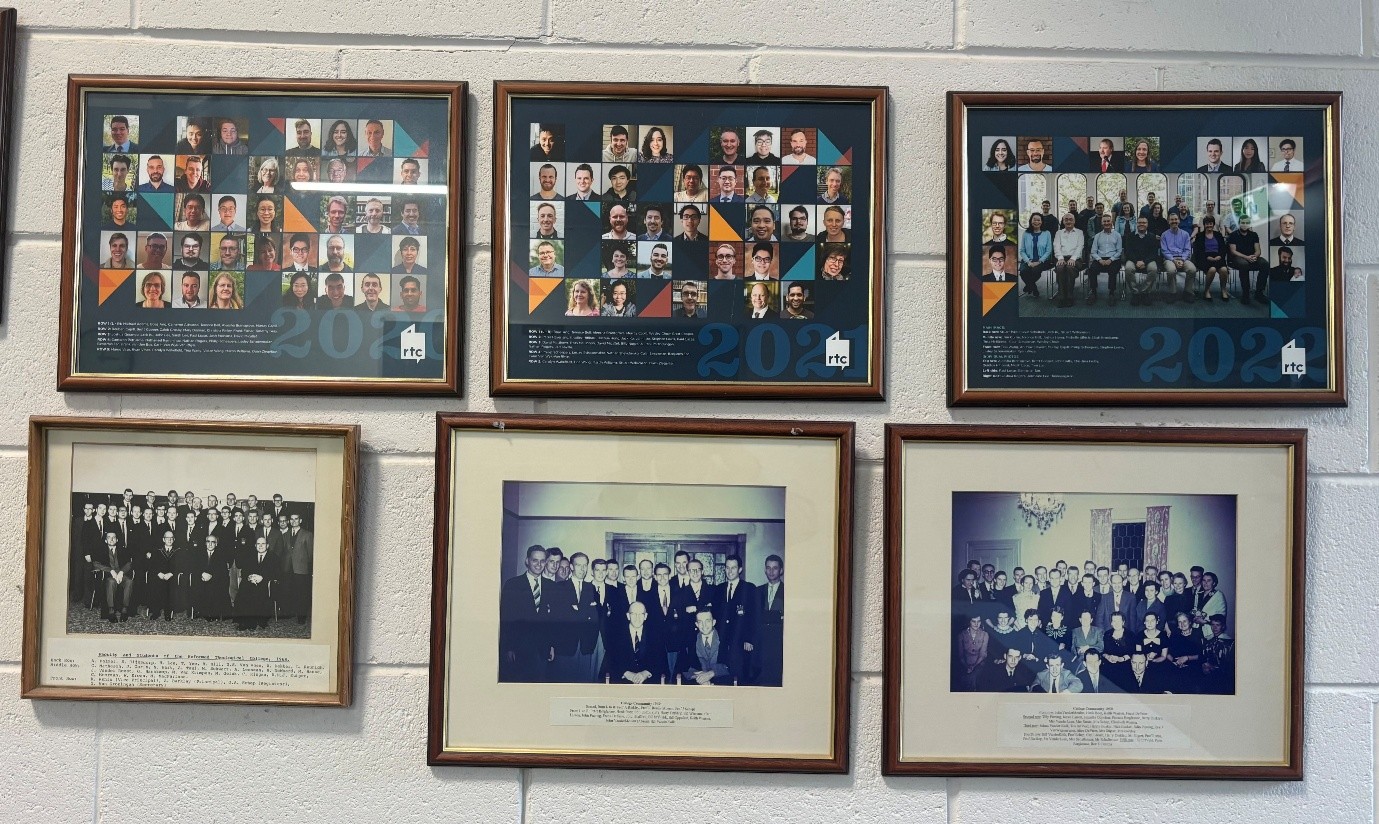
Over its history, RTC has been served by six principals: Rev Alexander Barkley (to 1978), Rev Raymond Zorn (1978 to 1999), Dr Keith Warren (1990 to 1996), Dr Henk de Waard (1997 to 2007), Dr Murray Capill (2008 to 2019), and Dr Phillip Scheepers (2020 to present). Behind each principal stood a dedicated team of full-time and adjunct lecturers, librarians, registrars, administrators, and support staff whose faithful service has kept the college going year after year. We are grateful for every one of them.
In the mid-1990s, RTC became a member college of the Australian College of Theology (now the Australian University of Theology), enabling students to obtain fully accredited qualifications and access FEE-HELP government loans. RTC subsequently introduced distance education, online delivery, and intensive programmes, allowing students across Australia and New Zealand to complete their studies without relocating.
More than 530 students have studied at RTC since its founding. Graduates are serving in ordained ministry, university campus work, missions, schools, and local churches across Australia, New Zealand, and beyond.
Three denominations have been the historic backbone of the college’s support: the Christian Reformed Churches of Australia, the Reformed Churches of New Zealand, and the Reformed Presbyterian Church of Australia. We are delighted that the Presbyterian Church of Eastern Australia has more recently joined as a supporting denomination. In addition, a growing number of congregations and congregational members from beyond our supporting denominations have partnered with us, reflecting the college’s expanding reach across the broader Reformed and evangelical community. None of this would have been possible without the prayers, generosity, and faithful encouragement of our many individual members across Australia and New Zealand, whose support has been a constant source of strength throughout our history.
In 2017, the board made the bold decision to relocate the teaching campus to the Melbourne CBD (Level 3, 221 Queen Street), better positioning the college to serve the church across Victoria and beyond. That move has been richly blessed, with RTC seeing both a rise in student numbers and students from a wider range of church and ministry backgrounds joining the student body.
In 2025 RTC continued the move to Melbourne by selling the Waurn Ponds campus in order to fund a further expansion of our Melbourne footprint. In God’s kindness the proceeds of the sale allowed us to purchase Level 8 in our existing building. This space will eventually house the RTC library and staff offices. We trust and pray that this move will set us up for many more years of faithful and fruitful ministry, right in the heart of the Melbourne CBD.
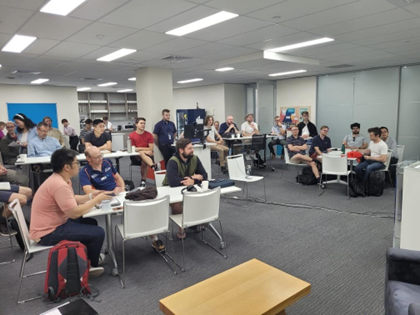
The college’s founding commitments remain unchanged. RTC continues to hold unswervingly to the authority of Scripture and to the Reformed Confessions, specifically the Three Forms of Unity (the Belgic Confession, the Heidelberg Catechism, and the Canons of Dort) and the Westminster Confession of Faith. It remains focused above all else on producing workers for the harvest who can faithfully handle God’s Word, live wisely, lead courageously, and serve humbly.
As we look back over seventy years, we are reminded of Samuel’s act of setting up a stone called Ebenezer, with the inscription, “Till now the Lord has helped us” (1 Samuel 7:12). This sentiment could not be more fitting as we reflect on RTC’s history. There have been many challenging times in the history of the college, and there will no doubt be more to come. Yet we face the future with the knowledge of God’s care and faithfulness in the past, and with the confidence that Christ will be victorious and the gospel will go to every nation. The vision has not dimmed. The best, we trust, is yet to come.