

Life is a juggling act. We all have multiple balls to keep in the air. Time with God, family, church, exercise, recreation, housework, food preparation, helping a friend, serving as a volunteer… Our lives are full.
We have to juggle multiple balls rather than make a list of priorities and just focus on the top two or three things. If our highest priorities are relationship with God, work and church involvement, what happens if they take all our time? Family, exercise, and housework are all neglected, which is not actually God honouring. So our first priority has lapsed as well!
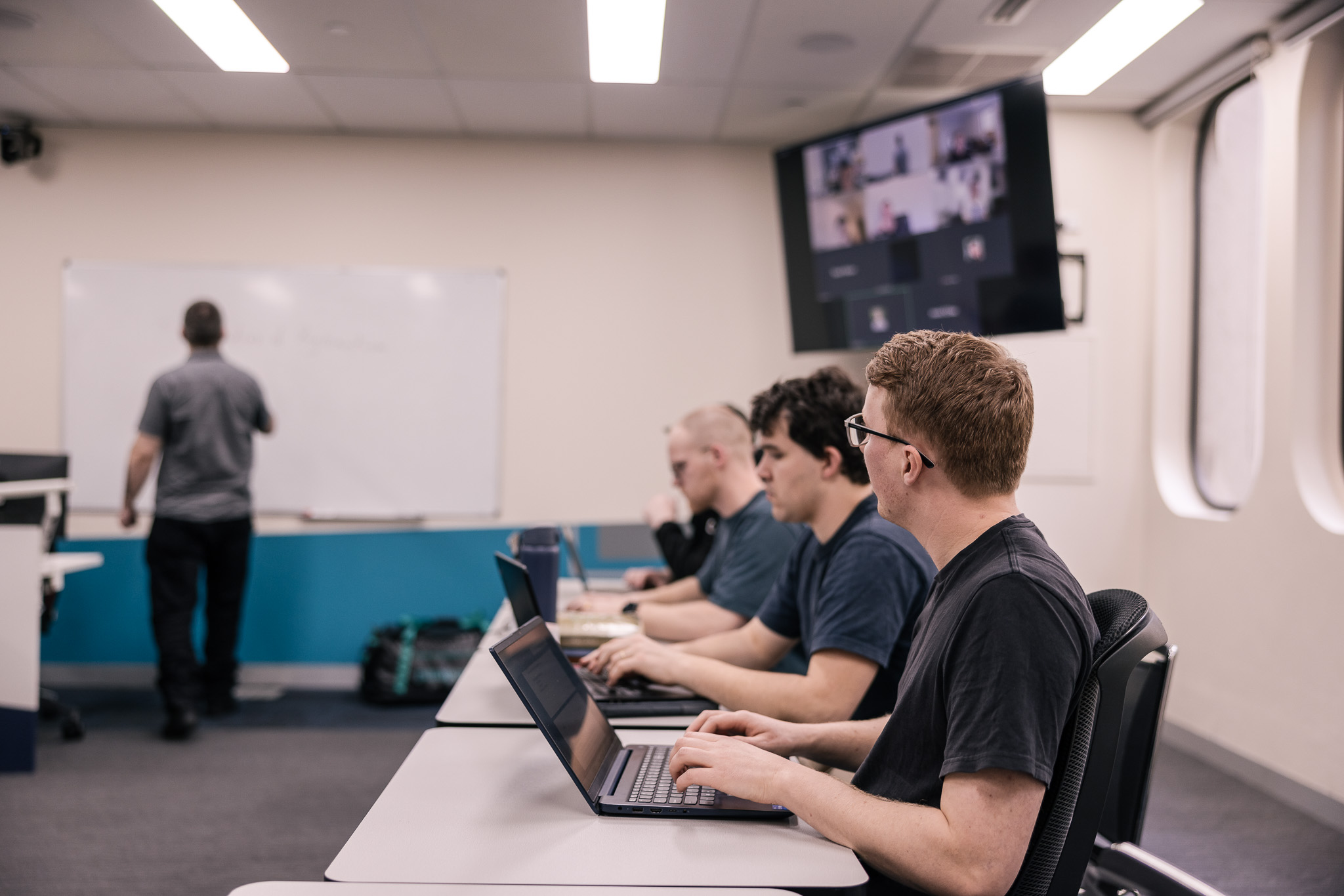
So what are the balls to juggle when you study at a theological college? Study itself becomes a high priority, but it cannot be the only thing you prioritise. Over the years I’ve observed students juggling the theological study balls, some very successfully and others, well, not quite so well. So here are ten thoughts about the balls to juggle and some tips on juggling them well.
- Study should not be a substitute for personal time with God. While study affords great opportunities for time in God’s word and prayer, it is not designed to replace times of personal devotion. Your study should enrich your walk with God, and personal prayer and worship will enrich you study, but see them as two distinct balls to juggle.
- Similarly, keep up real commitment to your local church and some engagement in ministry and serving while you are studying. Although college life includes aspects of church life (like preaching, devotions, small groups, and prayer with others), college is not church. You need the support, fellowship, accountability and ministry opportunities of a church to remain healthy at college.
- Having said that, it is worth noting that juggling study with paid ministry is very difficult. When you do ministry and study together, ministry usually wins and study usually suffers. Ministry will always feel more urgent and maybe more exciting. Consequently, time to think, read, digest, reflect, and interact with students and lecturers gets short-changed. If at all possible, take time out of paid ministry to study full-time. A short season of focused study helps you put down deep roots for a lifetime of ministry.
- My next juggling tip is to treat your study as your job. If you study full time, treat it like a full time job of 40 to 50 hours a week. Not 20 hours while you do lots of others things; and not 70 hours as you neglect everything else. Schedule it. Lock it in. If you are studying part-time, carve out about 10 hours per week per unit that you take.
- Next, refuse to sacrifice family and friends on the altar of study. If you do that as a student you will go on to do that in ministry, and that will lead to hurt and maybe disaster.
- Care for your body as well as your soul. College is a good time to set in place the rhythms of life that will enable you to thrive for the long term in gospel ministry. We need good sleep, a healthy diet, regular exercise, and rest. Part of good rest is a day of rest, and so a good habit is to have Sundays off study.
- To help fit all this in, eliminate time wasters. Time is easily frittered away with endless scrolling, binge watching mini-series, always having email and social media on, being a gym junkie, or just procrastinating. While we need time to unwind, we also need to guard against laziness, addiction, and escapism.
- The flipside of eliminating timewaster is to get smart with your use of time. You might be able to listen or read while commuting. You can learn Greek vocab while waiting. Safeguard the times of day when you are most productive. Schedule your time rather than wing it, using calendars, reminders, timers, and “to do” lists. Good time management as a student will prepare you for the same in ministry.
- As you juggle these balls, include time for college life not just class. Some of the best parts of college are the informal times of discussing, sharing, debating, hanging out together and forming friendships that often last a lifetime.
- Finally, make good use of the whole year, not just the academic year. The reality is, the academic year is only about half the year: 24 lecture weeks plus exam weeks. So there are plenty of non-lecture weeks for getting involved in ministry and mission, exploring topics you only scratched the surface of in class, and having a holiday.
Can all these things be juggled well? Absolutely. I’ve seen many students do it really well. But they are intentional about it. They are disciplined. They want to make the most of study and they know the habits they form at college will probably stay with them for years. It’s worth learning to juggle well.
Take the Next Step
If this resonates, perhaps it’s an invitation to think carefully about the rhythms and habits that shape this season of life. Theological study isn’t just about managing assignments—it’s about learning how to live faithfully with many good responsibilities at once. Whether the next step is asking questions, seeking advice, or preparing for study, may this be a season marked by wisdom, intention, and growth.
